
Marido Stands the Test of Time
- 香港總商會會員編號 :
- HKM0209
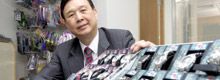
Marido Stands the Test of Time
During the last twenty years, computer and electronic games have become a huge commercial market. But as the electronic-game industry has grown, so too has the complexity of devices. Nintendo DS and PSP machines cost close to HK$2,000, and games start at around HK$200 each. For Nio Kam Kie, Chairman of Marido Industrial Company Limited, a manufacturer of electronic games and watches, his best selling electronic game "Tetris" costs just HK$14 and he ships them by the millions to developing countries where the price of a PSP is often far more than a month's wages.
His games have been so popular that pirates have copied the devices and even his packaging, an unwelcome side-effect of popularity that he is trying to combat.
Demand for electronic games comes and goes very quickly, like Tamagochi, an electronic pet breeding game fad which spread across Japan, Hong Kong and Asia almost overnight. But Marido's key to success lies in its pricing. Children in India, the Philippines, Africa and other developing nations all love playing electronic games, as do Hong Kong children -- and many adults -- so Marido provides them with an affordable option.
Mr Nio started Marido in 1980 as an OEM manufacturer of simple electronic watches. It grew quickly manufacturing multi-functional LCD watches, quartz analogue watches and other electronic goods such as radios. As prices of microchips plunged, the company expanded into the electronic games business in the 1990s.
His successful move into electronic handheld games was aided by Marido's good relations that had been built up with suppliers and buyers over the years.
"We believe that being honest and honouring promises is very important in the trading business, especially with our multinational clients," he said. "The Middle East is one of our major markets for low-cost electronic handheld games, and the experience we have accumulated in working with merchants in the Middle East, and India, has sustained our growth in these markets over the years."
Mr Nio recalled that during the height of the Tamagochi craze, many manufacturers pushed up their price after discovering that shops were jacking up their prices by between 200-300% as demand rocketed. Despite this, Mr Nio maintained his prices, a commendable move that did no go unnoticed by his buyers.
Similarly, when Seiko, the Japanese watch giant which Marido had been buying parts from for years, requested full payment from buyers before they replaced a faulty part that had been shipped, many other Hong Kong companies refused to comply. Mr Nio, however, thought it was a reasonable request and authourized payment, which was highly appreciated by his Japanese supplier.
"Our good relationship with the Japanese is important for our electronics business, not only because the Japanese are well-known for electronics, but they have also helped us to expand Marido's business network and connect with quality buyers and sellers. Most importantly, this good relationship has helped us to advance our business in the electronic handheld games," he added.
New challenges
Marido opened its first factory in Kwai Chung in 1981, and in 1984 Mr Nio decided to relocate his production line to Dongguan to meet the steady increase in orders. Almost two decades later it opened a new factory in 2003 to crank up production of electronic games to 10 million, and watches to 3 million. The recent changes to the Mainland's policy on manufacturing and labour, however, have substantially increased the company's production costs.
To combat this, Marido moved to a smaller factory on the outskirts of Dongguan to reduce costs, and downsized the labour force from 1,300 to around 700.
"We managed to do this by outsourcing low-profit manufacturing processes to local companies," he said. "We once tried to open a factory in India, to be closer to our main customers, but bureaucracy in the country made it very difficult to do business. So we decided to stay in the PRD and focus more on R&D for new electronic games."
He is also slowly switching his watch business from OEM to ODM. Although the initial costs reduce the profit margin, Mr Nio said as the business matures and more repeat orders come in, the profit margin should rise. One area that he believes offers great potential is in accessory watches, and his designs have been very well received in developed markets such as the U.S, Europe and Japan.
